
By the Local Experts at Whyalla Caravan Park
There’s a moment in every Whyalla resident’s life when they stand at Hummock Hill lookout, gazing across the sprawling steelworks, the geometric city grid, and the endless blue of Spencer Gulf, and realise they’re part of something extraordinary. This isn’t just a city built on iron ore and determination – it’s a testament to what communities can achieve when they refuse to give up.
The story begins in 1901, when BHP established “Hummock Hill” as a simple port to ship iron ore from the Middleback Ranges. What followed was a century of transformation that would see Whyalla become the birthplace of Australian shipbuilding excellence. Between 1940 and 1978, our shipyards launched 66 vessels, including four vital WWII corvettes that helped defend our nation.
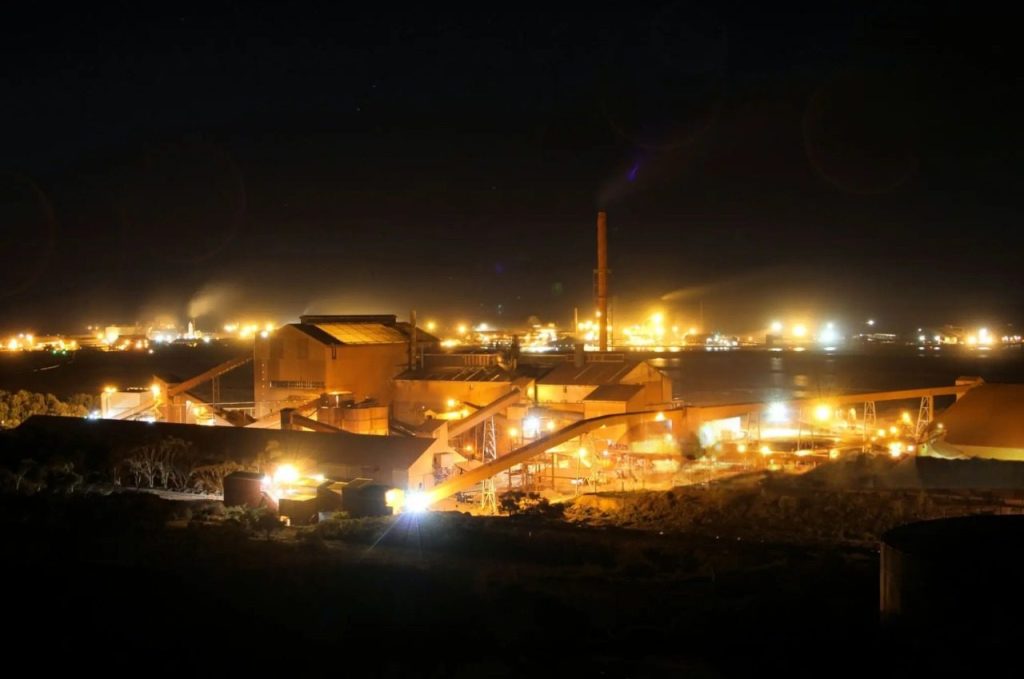
But the most powerful chapter in our story is the most recent. When the steelworks – the heart of our city – faced closure, Whyalla faced an existential crisis. What happened next captured national attention and was immortalised in the ABC’s Australian Story as “The Town That Saved Itself.”
Workers voted for pay cuts to keep the furnaces burning. Community leaders rallied. Families who had called Whyalla home for generations refused to let their city die. The rescue by GFG Alliance wasn’t just a business transaction – it was a victory of community spirit over corporate indifference.
Today, when you tour the steelworks (yes, we’re the only place in Australia where you can do that), you’re not just seeing industrial machinery. You’re witnessing living history, where 1,400 workers continue to transform raw earth into the steel that builds our nation. The recently enhanced tours now include spectacular views of Whyalla Port, a stop at the last remaining ship-building slipway, and insights into the future transformation to low-carbon emission iron and steel.
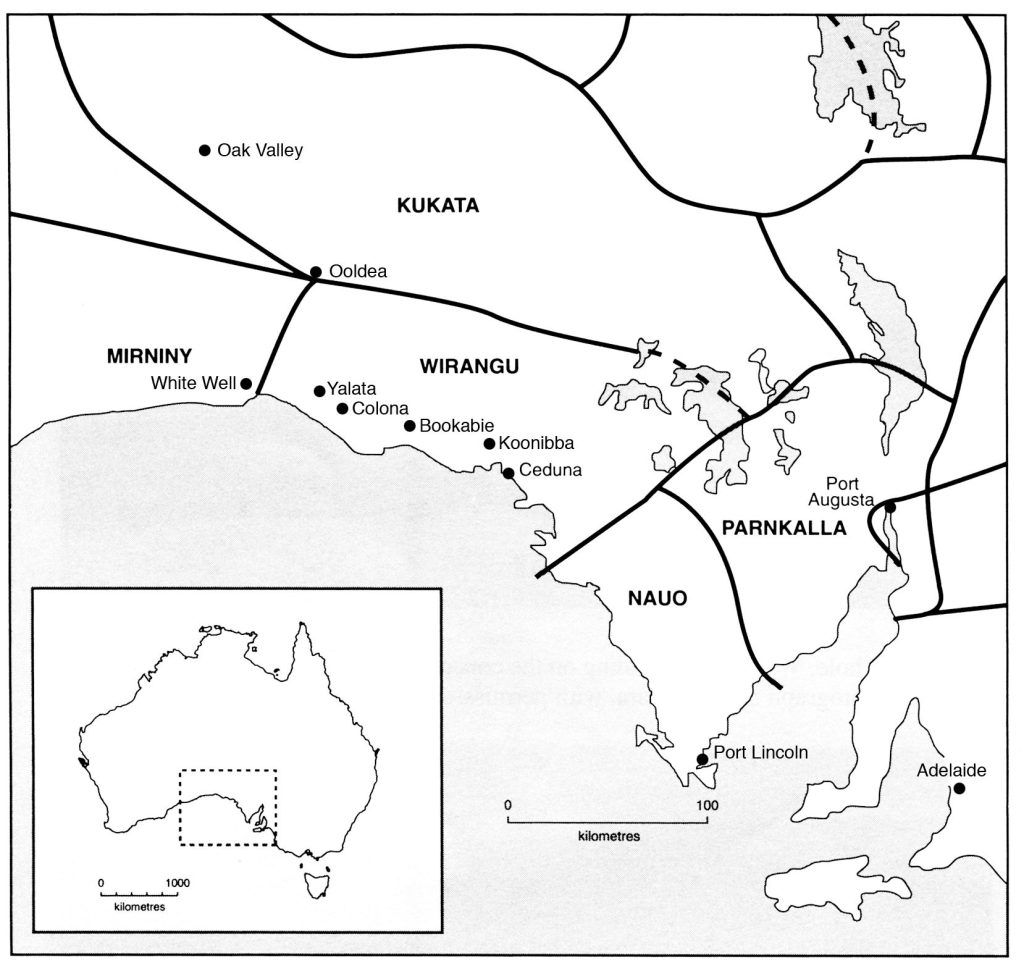
Long before iron ore and cuttlefish tours, the Barngarla people called this land home. Their connection to country spans at least 6,000 years, woven into every rock formation, every stretch of coastline, every sacred site.
The Barngarla name for the gathering of cuttlefish translates to “the calling of the old people,” reflecting an ancient understanding of this natural phenomenon. Their stories speak of the cuttlefish as messengers, their colour-changing abilities representing the fluid nature of communication between the physical and spiritual worlds.
Today, Barngarla elders work with the Maritime Museum to share these stories through the “Singing to the Sharks” exhibition, ensuring that visitors understand Whyalla’s history didn’t begin with European settlement – it stretches back to the Dreamtime itself.